

Yo, folks! As a forged shaft supplier, I've seen my fair share of worn - out forged shafts over the years. And let me tell you, it's super important to spot those signs early. A worn - out shaft can lead to all sorts of problems, from machinery breakdowns to safety hazards. So, in this blog, I'm gonna lay out the key signs to look for when it comes to a worn - out forged shaft.
Visual Inspection Tokens
First things first, let's start with what you can see just by looking at the shaft. The most obvious sign is surface damage. You might notice cracks, pits, or scratches on the shaft's surface. Cracks are a huge red flag. Even small ones can turn into major problems if they're not addressed. They can start because of fatigue, impact, or corrosion. If you catch a crack early, you might be able to fix the shaft before it fails completely.
Pits are another sign of trouble. These are small holes or cavities in the shaft's surface. They're often caused by corrosion, which can eat away at the metal over time. Corrosion can happen when the shaft is exposed to moisture, chemicals, or other harsh environments. For instance, if you're using a Marine Piston Rod in a salty seawater environment, it's more likely to develop pits due to the corrosive nature of the salt.
Scratches might seem like a minor issue, but they can actually be the starting point for more serious problems. They can weaken the shaft's surface and make it more susceptible to corrosion and cracking. So, if you see a lot of scratches on a forged shaft, it's something you should keep an eye on.
Another visual sign is discoloration. If the shaft has changed color, it could be a sign of overheating. Overheating can occur due to excessive friction or a problem with the lubrication system. When a shaft gets too hot, it can cause the metal to lose its strength and hardness, which can lead to premature wear and failure.
Dimensional Changes
Next up, let's talk about dimensional changes. A worn - out forged shaft might start to change shape or size. You can measure the diameter of the shaft at different points. If you notice a significant difference in diameter, it could mean that the shaft is wearing unevenly. This can happen because of misalignment, excessive load, or poor lubrication.
Length changes are also something to watch out for. If a shaft gets longer or shorter than it's supposed to be, it can throw off the entire machinery. For example, in a Forged Wind Turbine Shaft, even a small change in length can affect the balance and performance of the turbine.
Vibration and Noise
Vibration and noise are two more big signs of a worn - out forged shaft. When a shaft is in good condition, the machinery should run smoothly and quietly. But if you start to notice unusual vibrations or loud noises, it's a sign that something's wrong.
Vibrations can be caused by a variety of factors. One of the most common is imbalance. If the shaft is not properly balanced, it can cause the machinery to shake. This can lead to increased wear and tear on other parts of the equipment, as well as a decrease in performance.
Noise is another red flag. A squealing, grinding, or rattling noise can indicate that there's too much friction between the shaft and other components. This could be due to a lack of lubrication, misalignment, or damaged bearings. For example, a Marine Connecting Rod that's making a lot of noise might have a problem with its bearings or be misaligned within the engine.
Lubrication Issues
Lubrication is crucial for the proper functioning of a forged shaft. If the shaft isn't getting enough lubrication, it can lead to increased friction, which in turn can cause wear and tear. One sign of lubrication problems is the presence of metal particles in the lubricant. You can check the lubricant by taking a sample and looking at it under a microscope. If you see a lot of metal shavings, it means that the shaft is wearing down and the metal is being released into the lubricant.
Another sign is the appearance of the lubricant itself. If it looks cloudy, dirty, or has a strange odor, it could be a sign that it's contaminated or has broken down. This can happen if the lubricant isn't changed regularly or if it's exposed to high temperatures or harsh chemicals.
Performance Degradation
Finally, let's talk about performance degradation. If the machinery that the forged shaft is a part of starts to perform poorly, it could be a sign that the shaft is worn out. This could include a decrease in speed, power, or efficiency. For example, if a piece of industrial equipment that uses an Industrial Forged Shaft is suddenly producing less output or taking longer to complete tasks, it might be because the shaft is worn.
Also, if you notice an increase in the number of breakdowns or malfunctions, it could be related to a worn - out shaft. The shaft might not be able to handle the load or stresses placed on it, leading to failures in the machinery.

Be Vigilant and Take Action
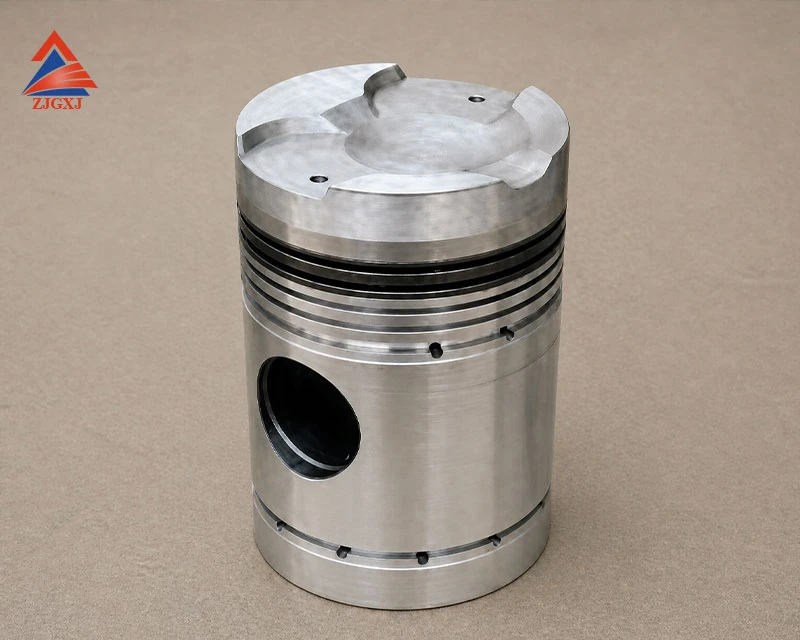
So, there you have it, folks! These are the main signs of a worn - out forged shaft. By keeping an eye out for these signs, you can catch problems early and take steps to prevent major breakdowns. If you're in the market for high - quality forged shafts, whether it's a Piston Of Marine or an industrial one, we've got you covered. We offer top - notch forged shafts that are built to last.
If you're interested in learning more about our products or have any questions about forged shafts, don't hesitate to reach out. We're always happy to have a chat and help you find the right solutions for your needs. Let's get your machinery running smoothly with our reliable forged shafts!