

What are the hardness requirements of a forged cylinder?
As a professional forged cylinder supplier, we understand the crucial role that hardness plays in the performance and reliability of forged cylinders. Hardness is a fundamental property that influences a forged cylinder's ability to withstand various operating conditions, resist wear and deformation, and maintain its structural integrity over time. In this blog post, we will explore the hardness requirements of forged cylinders, the factors affecting these requirements, and the importance of meeting or exceeding these standards.
Understanding Hardness in Forged Cylinders
Hardness refers to a material's resistance to indentation, scratching, or abrasion. In the context of forged cylinders, hardness is a critical property that affects the cylinder's performance in numerous ways. A properly hardened forged cylinder can withstand high pressures, resist corrosion, and maintain its shape and dimensions under stress. Conversely, a cylinder with insufficient hardness may experience premature wear, deformation, or failure, leading to costly downtime and potential safety hazards.
There are several methods for measuring the hardness of forged cylinders, each with its own advantages and limitations. The most commonly used hardness testing methods include the Brinell, Rockwell, and Vickers hardness tests. These tests involve applying a specific load to the surface of the cylinder using a standardized indenter and measuring the size of the resulting indentation. The hardness value is then calculated based on the relationship between the applied load and the indentation size.
Factors Affecting Hardness Requirements
The hardness requirements of a forged cylinder depend on several factors, including the intended application, the operating environment, and the material used in the forging process. Here are some of the key factors that can influence the hardness requirements of a forged cylinder:
-
Intended Application: The intended application of the forged cylinder is one of the primary factors that determine its hardness requirements. For example, cylinders used in high-pressure applications, such as hydraulic systems or pressure vessels, typically require higher hardness levels to withstand the extreme forces and pressures involved. On the other hand, cylinders used in low-stress applications, such as decorative or non-critical components, may have lower hardness requirements.
-
Operating Environment: The operating environment in which the forged cylinder will be used can also have a significant impact on its hardness requirements. Cylinders exposed to harsh environments, such as high temperatures, corrosive chemicals, or abrasive materials, require higher hardness levels to resist wear, corrosion, and thermal damage. In contrast, cylinders used in clean, low-stress environments may have lower hardness requirements.
-
Material Selection: The material used in the forging process plays a crucial role in determining the hardness of the final product. Different materials have different inherent hardness properties, and the choice of material will depend on the specific requirements of the application. Common materials used in the production of forged cylinders include steel, stainless steel, aluminum, and titanium. Each material has its own unique combination of properties, including hardness, strength, toughness, and corrosion resistance.
-
Manufacturing Process: The manufacturing process used to produce the forged cylinder can also affect its hardness. The forging process involves shaping the metal by applying pressure and heat, which can alter the material's microstructure and hardness. Proper heat treatment and forging techniques are essential for achieving the desired hardness and mechanical properties in the final product.
Specific Hardness Requirements for Different Applications
The hardness requirements of forged cylinders can vary widely depending on the specific application. Here are some examples of the hardness requirements for different types of forged cylinders:
-
Pressure Vessel Shell: Pressure vessel shells are used to contain fluids or gases at high pressures. These cylinders typically require high hardness levels to withstand the internal pressure and prevent leakage. The hardness requirements for pressure vessel shells are typically specified in accordance with relevant industry standards, such as the American Society of Mechanical Engineers (ASME) Boiler and Pressure Vessel Code.
-
Pipe Nozzle Forging: Pipe nozzle forgings are used to connect pipes to pressure vessels, valves, and other equipment. These cylinders need to have sufficient hardness to resist the forces and stresses associated with the flow of fluids or gases through the pipes. The hardness requirements for pipe nozzle forgings may vary depending on the size, pressure rating, and material of the pipes.
-
Marine Shaft Sleeve: Marine shaft sleeves are used to protect the shafts of ships and other marine vessels from wear, corrosion, and damage. These cylinders are exposed to harsh marine environments, including saltwater, sand, and debris, and therefore require high hardness levels to resist abrasion and corrosion. The hardness requirements for marine shaft sleeves are typically specified in accordance with relevant marine industry standards.
Importance of Meeting Hardness Requirements
Meeting the hardness requirements of forged cylinders is essential for ensuring their performance, reliability, and safety. Here are some of the key reasons why it is important to meet or exceed the specified hardness standards:
-
Performance and Durability: A forged cylinder with the appropriate hardness can withstand the forces and stresses associated with its intended application, ensuring optimal performance and durability. By meeting the hardness requirements, the cylinder is less likely to experience premature wear, deformation, or failure, which can lead to costly downtime and maintenance.
-
Safety: In many applications, such as pressure vessels and hydraulic systems, the safety of personnel and equipment depends on the reliability of the forged cylinders. Meeting the hardness requirements is crucial for ensuring that the cylinders can withstand the operating conditions without failure, reducing the risk of accidents and injuries.
-
Compliance: Many industries have specific standards and regulations governing the hardness requirements of forged cylinders. By meeting these requirements, manufacturers can ensure compliance with industry standards and avoid potential legal issues.
Our Commitment to Quality
As a leading forged cylinder supplier, we are committed to providing our customers with high-quality products that meet or exceed their expectations. We understand the importance of hardness in forged cylinders and have implemented strict quality control measures to ensure that our products meet the specified hardness requirements.
Our manufacturing process includes advanced forging techniques and state-of-the-art heat treatment equipment to achieve the desired hardness and mechanical properties in our forged cylinders. We also conduct comprehensive hardness testing using industry-standard methods to verify the hardness of our products before they are shipped to our customers.
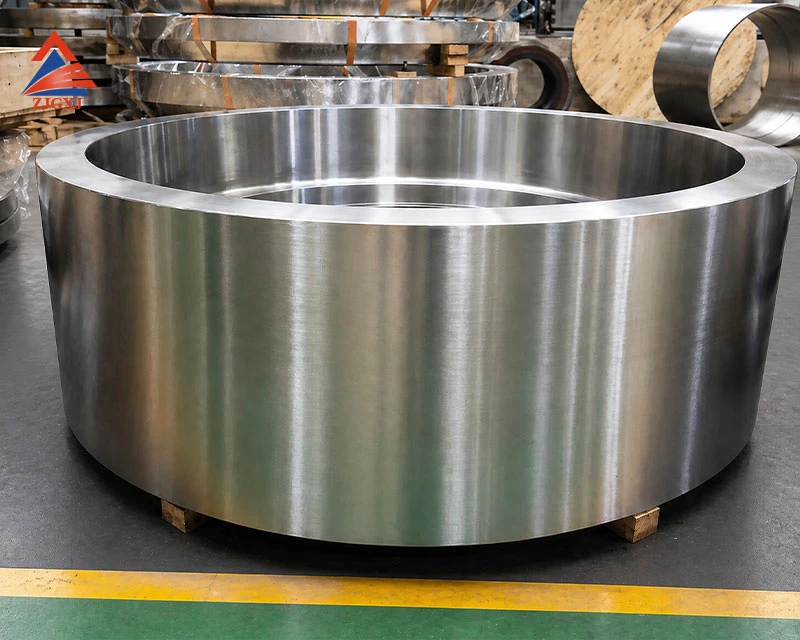
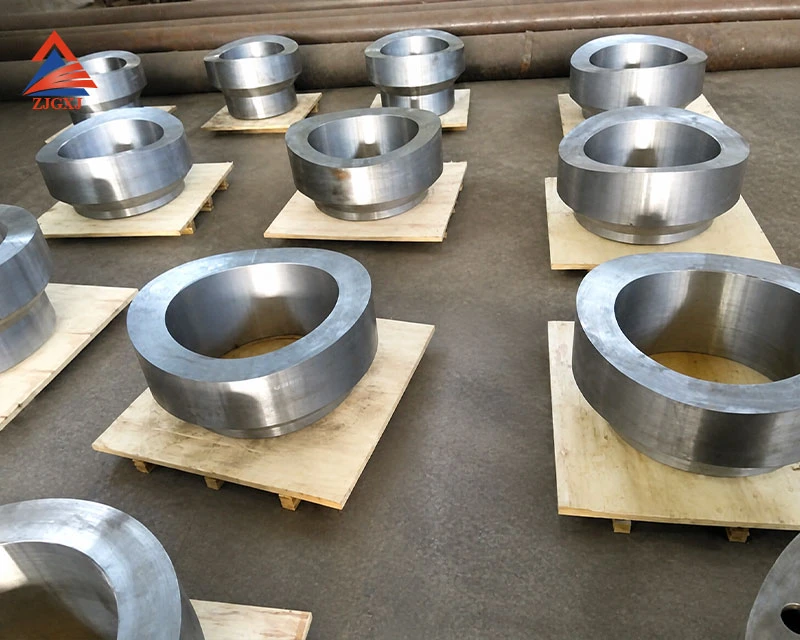
In addition to our commitment to quality, we offer a wide range of forged cylinders to meet the diverse needs of our customers. Whether you need a pressure vessel shell, a pipe nozzle forging, or a marine shaft sleeve, we have the expertise and resources to provide you with the right solution.
Contact Us for Your Forged Cylinder Needs
If you are in the market for high-quality forged cylinders, we invite you to contact us to discuss your specific requirements. Our team of experienced engineers and sales professionals will work with you to understand your needs and recommend the best solution for your application. We offer competitive pricing, fast delivery times, and excellent customer service, making us the preferred choice for forged cylinder suppliers.
Don't compromise on the quality of your forged cylinders. Contact us today to learn more about our products and services and to start the procurement process.