

What are the frictional characteristics between oil and gas flanges and gaskets?
In the oil and gas industry, the reliable connection between flanges and gaskets is crucial for the safe and efficient operation of pipelines and equipment. Understanding the frictional characteristics between oil and gas flanges and gaskets is essential to ensure proper sealing and prevent leaks. As an Oil and Gas Flange supplier, I have witnessed firsthand the importance of these frictional properties in maintaining the integrity of the systems we serve.
The Role of Flanges and Gaskets in Oil and Gas Applications
Flanges are used to connect pipes, valves, and other equipment in oil and gas pipelines. They provide a convenient way to assemble and disassemble the system for maintenance and repair. Gaskets, on the other hand, are placed between the flanges to create a seal that prevents the leakage of fluids or gases. The frictional interaction between the flange faces and the gasket is what holds the gasket in place and ensures a tight seal.
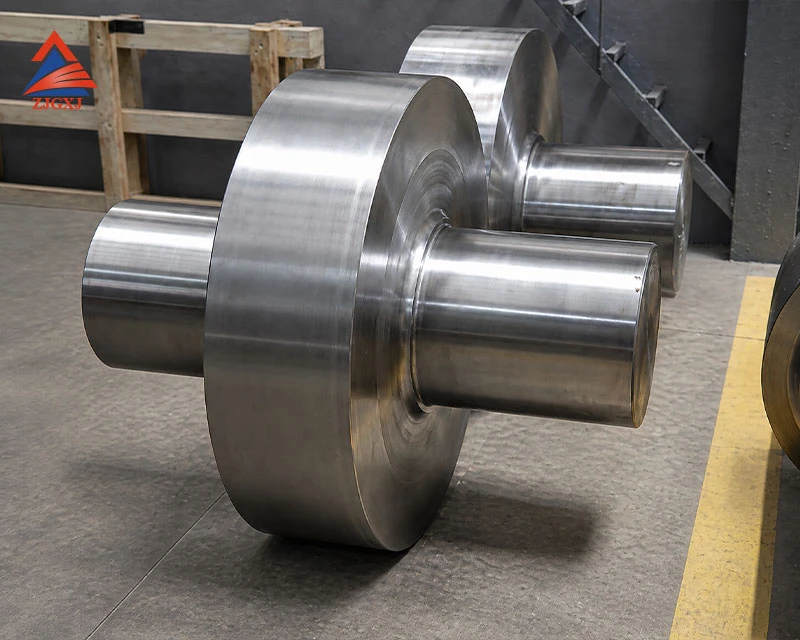

Factors Affecting Frictional Characteristics
Several factors can influence the frictional characteristics between oil and gas flanges and gaskets. These include:
- Surface Roughness: The roughness of the flange faces and the gasket surface can significantly affect the frictional force. A rough surface can increase the contact area and thus the frictional force, but it may also cause damage to the gasket.
- Material Properties: The materials used for the flanges and gaskets play a crucial role in determining the frictional characteristics. Different materials have different coefficients of friction, which can affect the sealing performance.
- Pressure and Temperature: The operating pressure and temperature of the oil and gas system can also impact the frictional properties. High pressure can compress the gasket and increase the frictional force, while high temperature can change the material properties of the gasket and the flanges.
- Lubrication: The presence of lubricants or contaminants on the flange faces or the gasket surface can reduce the frictional force. This can be beneficial in some cases, such as during installation, but it can also lead to leaks if not properly controlled.
Measuring Frictional Characteristics
To understand the frictional characteristics between oil and gas flanges and gaskets, various testing methods can be used. These include:
- Tribological Testing: Tribological testing involves measuring the friction force, wear rate, and other tribological properties of the flange-gasket interface. This can be done using a tribometer, which applies a normal force and a sliding motion to the interface and measures the resulting friction force.
- Sealing Performance Testing: Sealing performance testing is used to evaluate the ability of the flange-gasket assembly to prevent leaks. This can be done by applying a pressure differential across the assembly and measuring the leakage rate.
Importance of Frictional Characteristics in Oil and Gas Applications
The frictional characteristics between oil and gas flanges and gaskets are of utmost importance for several reasons:
- Leak Prevention: A proper frictional force between the flange faces and the gasket is essential to prevent leaks. If the frictional force is too low, the gasket may not be held in place properly, leading to leaks. On the other hand, if the frictional force is too high, it may cause damage to the gasket or the flanges.
- System Integrity: The integrity of the oil and gas system depends on the reliable sealing of the flanges and gaskets. A leak can not only cause environmental pollution but also pose a safety hazard to the personnel and the equipment.
- Maintenance and Repair: Understanding the frictional characteristics can help in the proper installation, maintenance, and repair of the flange-gasket assemblies. This can reduce the downtime of the system and increase its overall efficiency.
Our Products and Their Frictional Characteristics
As an Oil and Gas Flange supplier, we offer a wide range of flanges and gaskets that are designed to meet the specific requirements of the oil and gas industry. Our products are made from high-quality materials and are manufactured using advanced processes to ensure excellent frictional characteristics.
- Pressure Vessel Flange: Our pressure vessel flanges are designed to withstand high pressures and temperatures. They have a smooth surface finish and are made from materials with high strength and corrosion resistance, which helps to ensure a proper frictional force between the flange faces and the gasket.
- Oil and Gas Flange: Our oil and gas flanges are specifically designed for use in pipelines and equipment in the oil and gas industry. They are available in various sizes and types to meet the different requirements of our customers. Our flanges are made from high-quality materials and are coated to improve their frictional properties and corrosion resistance.
- Industrial Flange: Our industrial flanges are used in a wide range of industrial applications. They are designed to provide a reliable connection between pipes and equipment and to ensure a proper frictional force between the flange faces and the gasket. Our industrial flanges are available in different materials and sizes to meet the specific needs of our customers.
- Petrochemical Flange: Our petrochemical flanges are designed for use in petrochemical plants and refineries. They are made from materials that are resistant to corrosion and high temperatures and are designed to provide a tight seal between the flange and the gasket. Our petrochemical flanges are available in various sizes and types to meet the different requirements of the petrochemical industry.
- Engineering Flanges: Our engineering flanges are used in various engineering applications. They are designed to provide a reliable connection between pipes and equipment and to ensure a proper frictional force between the flange faces and the gasket. Our engineering flanges are available in different materials and sizes to meet the specific needs of our customers.
Contact Us for Your Flange and Gasket Needs
If you are in the oil and gas industry and are looking for high-quality flanges and gaskets with excellent frictional characteristics, look no further. We are committed to providing our customers with the best products and services. Whether you need a specific type of flange or gasket for a new project or for replacement, we can help. Contact us today to discuss your requirements and get a quote. We look forward to working with you to ensure the safe and efficient operation of your oil and gas systems.