

In the industrial landscape, the proper use of installation tools is paramount, especially for businesses dealing with components like Industrial Ring Gear. As a supplier of high - quality Industrial Ring Gears, I understand the significance of not only providing top - notch products but also ensuring that our customers can install them correctly using the right tools. In this blog, I will share some insights on how to use these installation tools properly.

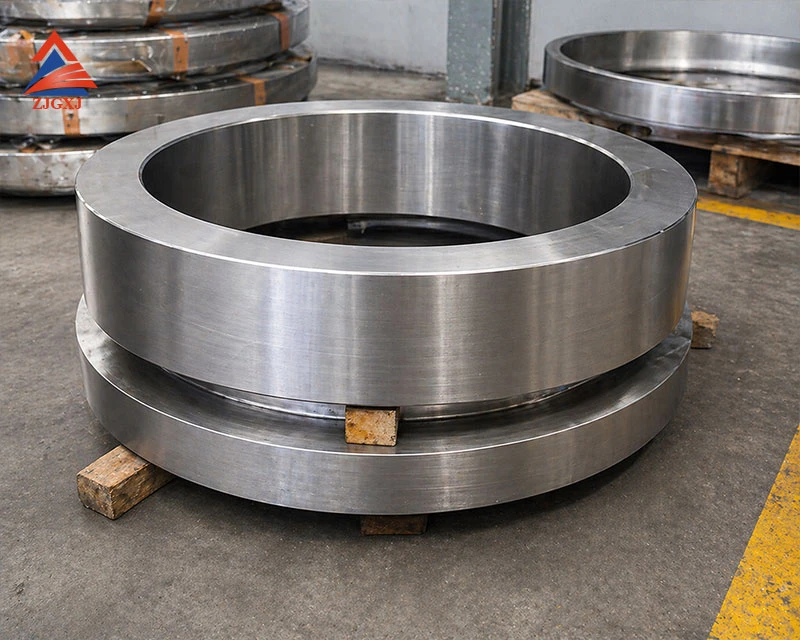
Understanding the Tools
Before delving into the proper usage of installation tools, it's essential to have a clear understanding of the types of tools commonly used in installing Industrial Ring Gears. These tools can range from basic hand - held tools to more advanced power tools, each serving a specific purpose.
Hand - held Tools
- Wrenches: Wrenches are one of the most fundamental tools in any installation process. They come in various sizes and types, such as adjustable wrenches, socket wrenches, and open - end wrenches. When using wrenches to install Industrial Ring Gears, it's crucial to select the correct size to ensure a proper fit. An ill - fitting wrench can damage the gear teeth or the nuts and bolts, leading to a less - than - secure installation.
- Hammers: Hammers are used for more forceful applications, such as tapping the gear into place or driving pins. However, it's important to use a hammer with the right weight and head type. A soft - faced hammer is often preferred when working with gears to prevent damage to the surface.
Power Tools
- Impact Wrenches: Impact wrenches are powerful tools that can quickly and efficiently tighten or loosen bolts. They use a high - torque impact mechanism to deliver a large amount of force in a short period. When using an impact wrench for Industrial Ring Gear installation, it's necessary to set the torque correctly. Over - tightening can cause stress on the gear and the surrounding components, while under - tightening can result in a loose and unstable installation.
- Power Drills: Power drills are used for creating holes or driving screws as part of the installation process. When using a power drill, ensure that the drill bit is the right size and type for the material of the gear and the mounting surface. Using the wrong drill bit can lead to uneven holes or damage to the gear.
Preparation Before Installation
Proper preparation is the key to a successful installation. This involves not only gathering the right tools but also ensuring that the work area and the gear itself are in the right condition.
Tool Inspection
- Before using any tool, inspect it for any signs of damage or wear. A damaged tool can compromise the quality of the installation and may even pose a safety hazard. For example, a worn - out wrench may slip, causing injury to the user or damage to the gear.
- Check the functionality of power tools. Make sure that they are properly lubricated, have the correct settings, and are in working order. Charge the batteries of cordless tools fully or ensure that the power supply for corded tools is stable.
Work Area Preparation
- Clean the work area thoroughly. Remove any debris, dirt, or grease that could contaminate the gear or interfere with the installation process. A clean work area also reduces the risk of foreign objects getting trapped between the gear and the mounting surface.
- Ensure that the work area is well - lit and ventilated. Good lighting helps in accurately positioning the gear and using the tools, while proper ventilation is important, especially when using power tools that generate heat or emissions.
Gear Inspection
- Examine the Industrial Ring Gear for any defects or damage. Look for cracks, missing teeth, or uneven surfaces. A damaged gear should not be installed as it can lead to premature failure and potential safety issues.
- Check the dimensions of the gear to ensure that it matches the specifications of the installation site. This includes the diameter, width, and tooth profile.
Step - by - Step Installation Process
Once the tools are inspected, the work area is prepared, and the gear is checked, it's time to start the installation process.
Positioning the Gear
- Carefully place the Industrial Ring Gear in the correct position on the mounting surface. Use alignment tools if necessary to ensure that the gear is centered and aligned properly. Incorrect positioning can lead to uneven wear on the gear teeth and reduced performance.
- Make sure that the gear is sitting flush against the mounting surface. Any gaps can cause the gear to vibrate or move during operation, which can lead to damage over time.
Using the Tools
- Start by inserting the bolts or screws through the holes in the gear and the mounting surface. Use a hand - held wrench to initially tighten the bolts to hold the gear in place.
- Once the gear is securely in position, use a power tool, such as an impact wrench, to tighten the bolts to the specified torque. Refer to the manufacturer's guidelines for the correct torque values.
- If there are any pins or other fasteners, use a hammer or a power drill (depending on the type of fastener) to install them properly. Make sure that the pins are fully inserted and secure.
Final Checks
- After the installation is complete, perform a final inspection of the gear and the installation. Check that all bolts are tightened correctly and that there are no loose components.
- Rotate the gear manually to ensure that it turns smoothly and that there are no obstructions or binding. If there are any issues, immediately stop the operation and troubleshoot the problem.
Special Considerations for Different Types of Industrial Ring Gears
Different types of Industrial Ring Gears may require specific installation techniques and tools.
Forged Rings
- Forged rings are known for their high strength and durability. When installing forged rings, it's important to use tools that can handle the high - quality materials. Impact wrenches with higher torque settings may be required to tighten the bolts properly.
- Due to the density of forged materials, extra care should be taken when using hammers to avoid cracking or damaging the ring.
Wind Turbine Ring Gear
- Wind turbine ring gears are subject to extreme forces and environmental conditions. The installation process for these gears often requires precision and strict adherence to safety standards.
- Special alignment tools may be necessary to ensure that the gear is perfectly centered for optimal performance. Additionally, anti - corrosion treatments should be applied to the gear and the installation tools to prevent rust and damage.
Oil and Gas Forgings
- In the oil and gas industry, where safety and reliability are of utmost importance, the installation of Industrial Forgings must meet strict regulations.
- Tools used in this environment should be made of materials that can withstand harsh chemicals and high pressures. Regular maintenance and inspection of the tools are also crucial to ensure their continued functionality.
Conclusion
Properly using installation tools for Industrial Ring Gears is a multi - step process that requires attention to detail, knowledge of the tools and the components, and strict adherence to safety standards. By understanding the types of tools available, preparing the work area and the gear, following the correct installation steps, and considering the special requirements of different types of gears, you can ensure a successful and long - lasting installation.
If you are in the market for high - quality Industrial Ring Gears or need more information on installation best practices, we are here to help. Contact us today to discuss your procurement needs and explore how our products can meet your industrial requirements.