

How do oil and gas forgings adapt to different geological conditions?
As a leading supplier of Oil and Gas Forgings, I've witnessed firsthand the critical role these components play in the oil and gas industry. The geological conditions under which oil and gas are extracted vary widely, from the frigid depths of the Arctic to the high - pressure environments deep beneath the ocean floor. In this blog, I'll explore how oil and gas forgings are designed and engineered to adapt to these diverse geological challenges.
1. Harsh Temperature Conditions
One of the most significant geological factors that affect oil and gas forgings is temperature. In some regions, such as the Arctic, temperatures can drop to extremely low levels, which can make metals brittle. Forgings used in these cold - climate areas need to be made from materials with high - impact toughness at low temperatures.
Nickel - based alloys are often the material of choice for forgings in cold environments. These alloys maintain their ductility and strength even at sub - zero temperatures. For example, in Arctic oil drilling operations, drill collars and other critical components are forged from high - nickel alloys. The forging process is carefully controlled to ensure a uniform grain structure, which enhances the component's resistance to cracking and failure in cold conditions.
On the other hand, in geothermal regions or deep - well drilling where temperatures can soar, forgings must withstand high heat. Heat - resistant alloys like stainless steel and superalloys are used. These materials can maintain their mechanical properties at elevated temperatures, preventing deformation and ensuring the long - term performance of the forgings. For instance, in high - temperature wellbores, valve bodies and pump components are forged from heat - resistant alloys to ensure reliable operation.
2. High - Pressure Environments
Many oil and gas reserves are located deep beneath the Earth's surface or under the ocean, where pressures can be extremely high. Forgings in these high - pressure environments need to have excellent strength and integrity.
The forging process is crucial in creating components that can withstand high pressures. Closed - die forging is often used to produce parts with precise dimensions and high density. This process compresses the metal, aligning the grain structure in the direction of the applied force, which significantly enhances the strength of the forging.
For example, in subsea oil and gas production, wellhead components such as blowout preventers (BOPs) are subjected to immense pressure. These BOPs are forged from high - strength steels and undergo rigorous quality control to ensure they can withstand the high - pressure conditions. Any failure in these components could lead to catastrophic consequences, such as oil spills and well blowouts.
3. Corrosive Geological Conditions
Geological formations can contain various corrosive substances, such as sulfur compounds, saltwater, and acidic fluids. Forgings used in oil and gas extraction must be resistant to corrosion to ensure their longevity and reliability.

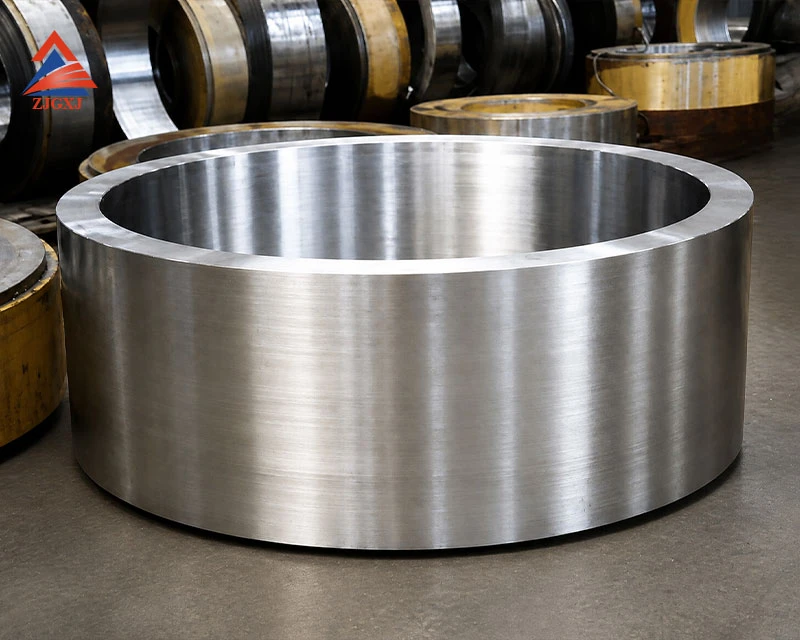
Corrosion - resistant materials are commonly used in forging components for corrosive environments. Stainless steel is a popular choice due to its excellent corrosion resistance. Additionally, coatings and surface treatments can be applied to further enhance the corrosion resistance of forgings. For example, in offshore oil platforms, where the forgings are exposed to saltwater, they are often coated with epoxy or zinc - rich paints to prevent corrosion.
In some cases, where the corrosive environment is particularly severe, exotic alloys like titanium alloys may be used. These alloys offer superior corrosion resistance but are more expensive. However, the long - term benefits of using these alloys in highly corrosive geological conditions often outweigh the initial cost.
4. Variable Rock Formations
The type of rock formation in an oil or gas reservoir can also impact the design and performance of forgings. Soft rock formations, such as sandstone, require different drilling and extraction techniques compared to hard rock formations like granite.
In soft rock formations, drill bits and other downhole tools need to be designed to cut through the rock efficiently. Forgings used in these tools are often made from materials with good wear resistance and cutting ability. Carbide - tipped forgings are commonly used in drill bits for soft rock formations, as they can maintain their sharpness and cutting efficiency for a longer time.
In hard rock formations, the forgings need to be extremely strong and durable. High - strength steels and tungsten carbide composites are used to forge drill bits and other tools. These materials can withstand the high forces and abrasion associated with drilling through hard rock.
5. Seismic Activity
Some oil and gas fields are located in areas prone to seismic activity. Forgings in these regions need to be able to withstand the vibrations and stress caused by earthquakes.
The design of forgings in seismically active areas takes into account the dynamic loading conditions. Components are designed with additional flexibility and shock - absorbing features. For example, pipeline forgings in seismic zones are often equipped with expansion joints and flexible connectors to accommodate the ground movement during an earthquake.
The forging process also plays a role in enhancing the seismic resistance of components. By creating a fine - grained and homogeneous structure, the forgings can better resist the cracking and deformation caused by seismic vibrations.
Our Solutions as a Supplier
As a supplier of oil and gas forgings, we understand the diverse geological challenges faced by the industry. We offer a wide range of forgings, including Industrial Ring Gear, Forged Rings, and Wind Turbine Ring Gear, all of which are designed to meet the specific requirements of different geological conditions.
We use advanced forging technologies and high - quality materials to ensure the performance and reliability of our products. Our manufacturing process is strictly controlled, and each forging undergoes comprehensive quality testing before leaving the factory. Whether it's for cold - climate regions, high - pressure environments, or corrosive geological conditions, we have the expertise and resources to provide customized forging solutions.
If you are in the oil and gas industry and are looking for high - quality forgings that can adapt to different geological conditions, we invite you to contact us for procurement discussions. Our team of experts is ready to work with you to understand your specific needs and provide the best forging solutions for your projects.