

Selecting the appropriate gear ratio for a wind turbine ring gear is a critical decision that significantly impacts the performance, efficiency, and longevity of the entire wind energy system. As a leading Wind Turbine Ring Gear supplier, we understand the complexities involved in this process and are here to guide you through the key considerations.
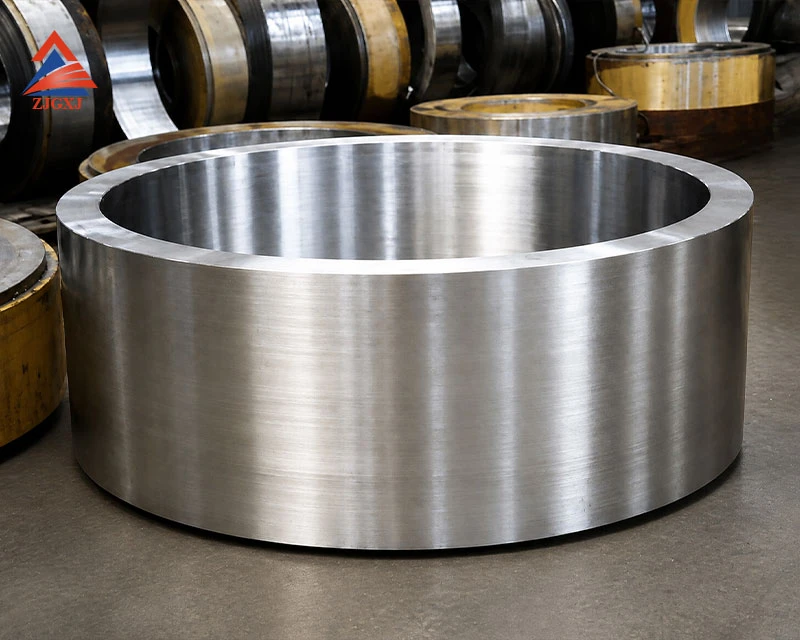

Understanding the Basics of Gear Ratios in Wind Turbines
The gear ratio in a wind turbine refers to the relationship between the rotational speed of the low - speed shaft (connected to the wind turbine blades) and the high - speed shaft (connected to the generator). A well - chosen gear ratio ensures that the generator operates within its optimal speed range, maximizing power output while minimizing wear and tear on the components.
The primary function of the ring gear in a wind turbine is to transfer torque from the low - speed shaft to the high - speed shaft. By adjusting the gear ratio, we can control how much the rotational speed is increased or decreased between these two shafts. For instance, if the wind turbine blades rotate at a relatively slow speed, a high gear ratio can step up the speed to a level suitable for the generator to produce electricity efficiently.
Factors Influencing Gear Ratio Selection
1. Wind Conditions
The local wind conditions play a crucial role in determining the appropriate gear ratio. In areas with high - speed and consistent winds, a lower gear ratio may be sufficient to spin the generator at an optimal speed. This is because the natural wind force is strong enough to drive the blades at a relatively high rate. On the other hand, in regions with variable or low - speed winds, a higher gear ratio is often required. A higher ratio can amplify the slow rotational speed of the blades to a speed that the generator can utilize effectively to generate electricity.
2. Generator Specifications
Each generator has a specific range of rotational speeds within which it operates most efficiently, known as the rated speed. The gear ratio must be selected to ensure that the high - speed shaft connected to the generator runs close to this rated speed under normal operating conditions. If the gear ratio is too low, the generator may not reach its optimal speed, resulting in reduced power output. Conversely, if the ratio is too high, the generator may be over - stressed, leading to premature failure and increased maintenance costs.
3. Turbine Design and Size
The physical design and size of the wind turbine also affect the gear ratio selection. Larger turbines with longer blades generally rotate at slower speeds due to their larger moment of inertia. These turbines typically require a higher gear ratio to translate the slow blade rotation into an appropriate speed for the generator. Smaller turbines, on the other hand, may rotate faster and thus may need a lower gear ratio.
4. Efficiency and Maintenance
A well - designed gear ratio can improve the overall efficiency of the wind turbine. By ensuring that the generator operates at its optimal speed, less energy is wasted in the form of heat and mechanical losses. Additionally, a proper gear ratio can reduce the stress on the gearbox components, extending their lifespan and reducing maintenance requirements. This is particularly important as the gearbox is one of the most expensive and maintenance - intensive components in a wind turbine.
Calculating the Optimal Gear Ratio
The process of calculating the optimal gear ratio is a complex one that requires a detailed understanding of the wind turbine system. The first step is to determine the rated speed of the generator, which can usually be found in the generator's technical specifications. Next, the average rotational speed of the wind turbine blades under normal operating conditions needs to be estimated. This can be based on wind speed data and the aerodynamic characteristics of the blades.
The gear ratio (GR) is then calculated using the formula:
GR = Generator rated speed / Blade rotational speed
For example, if the generator has a rated speed of 1500 revolutions per minute (RPM) and the wind turbine blades rotate at an average speed of 30 RPM, the gear ratio would be 1500 / 30 = 50:1.
However, this is a simplified calculation. In practice, other factors such as mechanical losses in the gearbox, the need for a safety margin, and the influence of variable wind conditions must also be considered.
Our Role as a Wind Turbine Ring Gear Supplier
As a reliable Wind Turbine Ring Gear Supplier, we offer a wide range of high - quality ring gears designed to meet the specific requirements of different gear ratios. Our ring gears are manufactured using advanced Forged Rings technology, which ensures excellent strength, durability, and precision.
We understand that every wind turbine project is unique, and we work closely with our customers to provide customized solutions. Our team of experts has extensive experience in gear design and engineering, and we can assist you in selecting the most appropriate gear ratio for your wind turbine system. We also offer a comprehensive range of Industrial Forgings, including Industrial Ring Gears and Oil and Gas Forgings, to meet the diverse needs of various industries.
Guiding Contact for Procurement
If you are in the process of planning a wind turbine project or are looking to upgrade your existing system, we invite you to contact us to discuss your requirements. Our team of professionals is ready to provide you with the best advice on gear ratio selection and supply you with high - quality wind turbine ring gears. We are committed to helping you achieve optimal performance and efficiency in your wind energy system.