

What are the weight limitations for pressure vessel shells?
As a supplier of Pressure Vessel Shells, I often encounter inquiries regarding the weight limitations of these crucial components. Pressure vessel shells are designed to contain fluids or gases at a pressure substantially different from the ambient pressure, and their weight limitations play a vital role in ensuring safety, functionality, and cost - effectiveness.
Factors Influencing Weight Limitations
Material Properties
The choice of material for pressure vessel shells is a primary factor affecting weight limitations. Common materials include carbon steel, stainless steel, and alloy steel. Each material has its unique density, strength, and corrosion - resistance properties. For instance, stainless steel is more corrosion - resistant but generally has a higher density than carbon steel. This means that for a given volume of a pressure vessel shell, a stainless - steel shell will weigh more. The strength of the material also dictates the thickness required for the shell to withstand the internal pressure. A stronger material can allow for a thinner shell, thus reducing the overall weight. According to engineering standards such as the ASME Boiler and Pressure Vessel Code, the allowable stress limits of different materials are specified, which in turn influence the design thickness and weight of the pressure vessel shell.
Design Pressure and Temperature
The design pressure and temperature of a pressure vessel have a significant impact on its weight. Higher design pressures require thicker walls to prevent the shell from bursting. Similarly, elevated temperatures can reduce the strength of the material, necessitating additional thickness to maintain safety. For example, in high - pressure steam applications, the pressure vessel shell needs to be much thicker and heavier compared to a low - pressure air storage vessel. The design calculations for pressure vessels take into account these factors, using equations based on the principles of mechanics of materials. This is crucial as over - designing the shell for weight can lead to unnecessary costs, while under - designing can pose serious safety risks.
Size and Geometry
The size and geometry of the pressure vessel shell are also important determinants of its weight. Larger vessels naturally require more material, resulting in higher weights. The shape of the vessel, whether it is cylindrical, spherical, or ellipsoidal, can also affect the weight. Spherical vessels are generally more efficient in terms of stress distribution and can use less material for a given volume compared to cylindrical vessels, reducing the weight. However, spherical vessels are often more complex and expensive to manufacture. For example, a large - diameter cylindrical storage tank for liquid propane will have a greater weight compared to a smaller spherical tank with the same storage capacity, due to the differences in their geometries and the amount of material needed.
Industry Standards and Regulations
The weight limitations of pressure vessel shells are closely regulated by various industry standards and regulations. These standards are in place to ensure the safety of the pressure vessels during their operation. The ASME Boiler and Pressure Vessel Code is one of the most widely recognized standards globally. It provides detailed requirements for the design, fabrication, inspection, and testing of pressure vessels, including limits on the thickness and weight based on the material, design pressure, and temperature.
In addition to ASME, other regional and national standards also play a role. For example, the European Union's Pressure Equipment Directive (PED) sets harmonized safety requirements for pressure equipment within the EU market. Compliance with these standards is not only a legal requirement but also essential for ensuring the reliability of the pressure vessel shells.
Transportation and Installation Considerations
Transportation and installation of pressure vessel shells are major practical considerations related to their weight limitations. Heavy pressure vessel shells can be challenging and costly to transport. Specialized transportation equipment such as heavy - duty trucks, trailers, and even barges may be required for large and heavy shells. The weight of the shell also affects the installation process. Cranes and other lifting equipment need to be capable of handling the weight safely. For example, in an offshore oil platform installation, the weight of the pressure vessel shells must be carefully considered as the platform's structural capacity and the available lifting equipment on - site are limited.
Our Offerings as a Pressure Vessel Shell Supplier
At our company, we understand the importance of weight limitations for pressure vessel shells. We offer a wide range of Pressure Vessel Shell options, carefully designed to meet the specific requirements of our customers. Our engineering team is well - versed in the latest industry standards and uses advanced design software to optimize the weight of the shells without compromising on safety and performance.
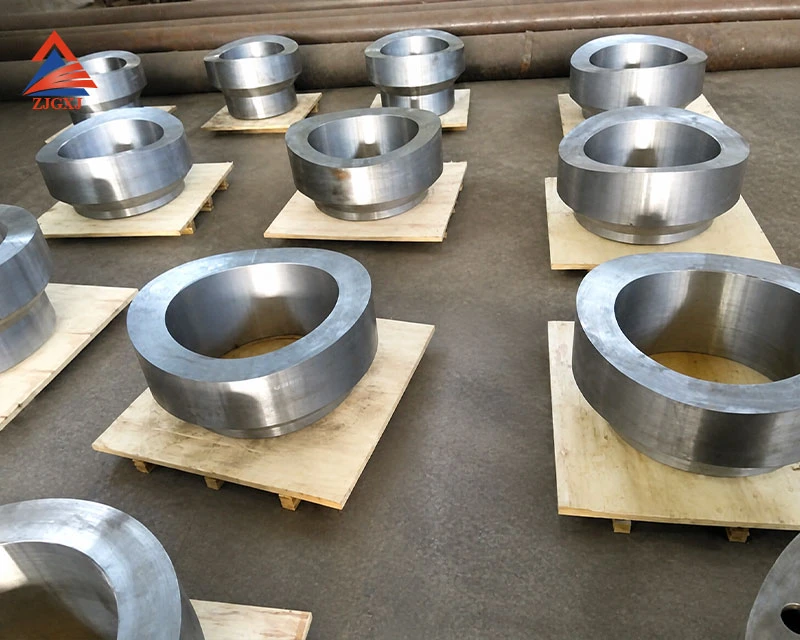
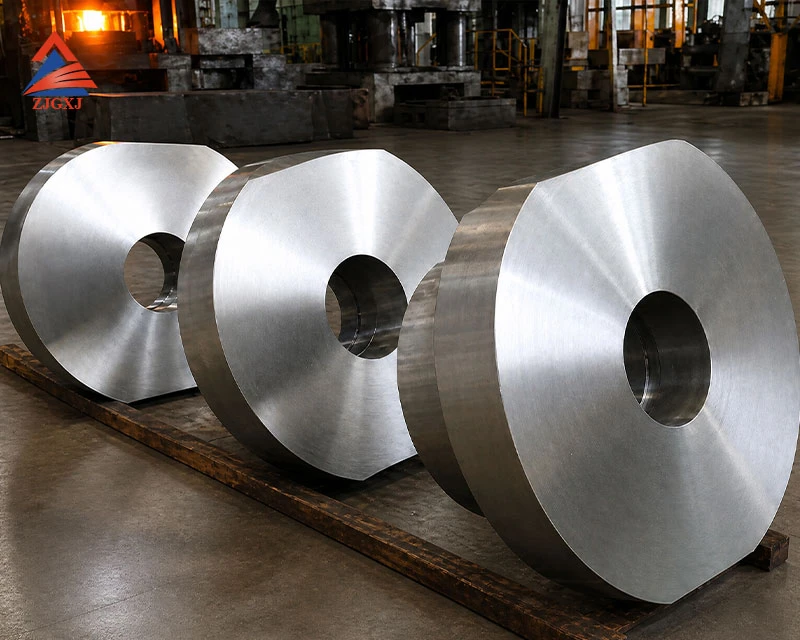
We can provide pressure vessel shells in various materials, including high - strength low - alloy steels that offer an excellent balance between strength and weight. Whether you need a small - scale pressure vessel for a laboratory application or a large - scale industrial storage vessel, we have the expertise to deliver a solution that meets your weight and performance requirements.
Related Products
In addition to pressure vessel shells, we also supply other related forged products. Our Marine Shaft Sleeve is designed to protect marine shafts from wear and corrosion. These sleeves are precision - forged to ensure a perfect fit and long - lasting performance. We also offer Pipe Nozzle Forging, which is an essential component in many pressure vessel and piping systems. These forgings are made to high - quality standards and can withstand high pressures and temperatures.
Contact Us for Procurement
If you are in the market for pressure vessel shells or any of our related products, we invite you to contact us for procurement discussions. Our team of experts is ready to assist you in selecting the right product based on your specific needs, including weight limitations. We can provide detailed technical specifications, pricing information, and delivery schedules. Whether you are a small - scale business or a large industrial enterprise, we are committed to providing you with the best solutions and excellent customer service.