

What are the requirements for the surface finish of oil and gas forgings?
Hey there, folks! I'm a supplier of Oil and Gas Forgings, and I've been in the game for quite a while. In the oil and gas industry, the surface finish of forgings isn't just about making things look pretty. It's crucial for the functionality, durability, and safety of these components. So, let's dive into what the requirements for the surface finish of oil and gas forgings really are.
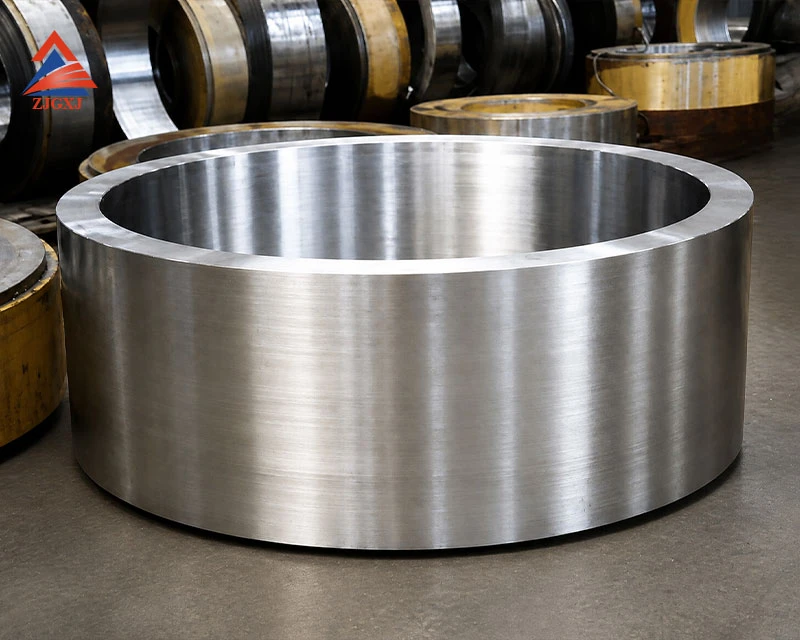

First off, let's understand why surface finish matters so much in this industry. The oil and gas environment is harsh, to say the least. Forgings are exposed to high pressures, extreme temperatures, corrosive substances, and abrasive materials. A proper surface finish can protect the forgings from corrosion, reduce friction, and prevent the accumulation of contaminants.
One of the primary requirements is corrosion resistance. Oil and gas forgings are often in contact with corrosive media such as seawater, acidic gases (like hydrogen sulfide), and various chemicals. A smooth and uniform surface finish helps to create a protective barrier. For example, a polished surface has fewer crevices and pores where corrosive agents can penetrate. We can use processes like electro - polishing to achieve a high - quality, corrosion - resistant surface. This process removes a thin layer of metal from the surface, leaving it smooth and more resistant to the chemical attacks that are so common in the oil and gas fields.
Another important aspect is friction reduction. In many applications, such as valves and pumps, forgings need to move smoothly. A rough surface can cause increased friction, leading to wear and tear, energy loss, and even mechanical failure. By achieving a fine surface finish, we can minimize the coefficient of friction. For instance, a surface finish with a low Ra (arithmetical mean deviation of the profile) value, say around 0.8 to 1.6 micrometers, can significantly improve the sliding performance of components. This is especially important in high - pressure and high - speed applications where any increase in friction can have a major impact on the efficiency and lifespan of the equipment.
Contaminant prevention is also a big deal. In the oil and gas industry, even small particles of dirt, debris, or scale can cause problems. A well - finished surface is less likely to trap these contaminants. Think about it like a non - stick pan. A smooth surface makes it easier for fluids and substances to flow over it without getting stuck. This is crucial for maintaining the cleanliness of the system and preventing blockages that could lead to equipment malfunctions or safety hazards.
Now, let's talk about the specific standards and specifications for surface finish. There are international standards such as ISO 1302, which provides a unified way to define and measure surface texture. For oil and gas forgings, we often refer to these standards to ensure that our products meet the industry - wide requirements. Customers may also have their own specific requirements based on the application of the forgings. For example, forgings used in sub - sea applications might have more stringent surface finish requirements due to the harsher and more corrosive environment.
In addition to these functional requirements, the aesthetic appearance of the surface finish can also be important. While it may not be the primary concern, a clean and uniform surface finish can give customers confidence in the quality of the forgings. It shows that we take pride in our workmanship and pay attention to every detail.
When it comes to achieving the right surface finish, there are several processes we can use. Machining operations like turning, milling, and grinding are common methods. Each of these processes can leave a different surface texture, and we can fine - tune them to meet the specific requirements. For instance, grinding can produce a very fine surface finish, but it needs to be carefully controlled to avoid introducing residual stresses.
There are also post - machining processes such as shot blasting. Shot blasting involves propelling small metal or ceramic particles at high speed onto the surface of the forging. This can help to clean the surface, remove any scale or impurities, and improve the surface roughness. It can also induce compressive stresses on the surface, which can enhance the fatigue resistance of the forgings.
As a supplier, I know that meeting these surface finish requirements isn't always easy. It requires a combination of advanced manufacturing techniques, quality control measures, and experienced personnel. We invest a lot in research and development to stay up - to - date with the latest technologies and best practices in surface finishing.
We also offer a wide range of other forgings, not just for the oil and gas industry. Our Industrial Forgings are used in various industrial applications, from manufacturing plants to power generation facilities. And for those in the renewable energy sector, we have Wind Turbine Ring Gear forgings that meet the high - precision requirements of wind turbines. Our Forged Rings and Industrial Ring Gear are known for their quality and reliability in different industries.
If you're in the market for oil and gas forgings or any of our other products, we'd love to have a chat with you. Whether you have specific requirements for surface finish or need advice on the best type of forgings for your application, we're here to help. Contact us to start a discussion about your procurement needs. We're confident that we can provide you with high - quality forgings that meet your exact specifications.