

When it comes to industrial components, forged rings stand out as a cornerstone of reliability and durability. As a supplier of forged rings, I've witnessed firsthand the remarkable performance of these vital parts over the years. In this blog, we'll delve into how forged rings hold up over time, exploring the factors that contribute to their longevity and why they are a preferred choice in various industries.
The Forging Process: A Foundation for Longevity
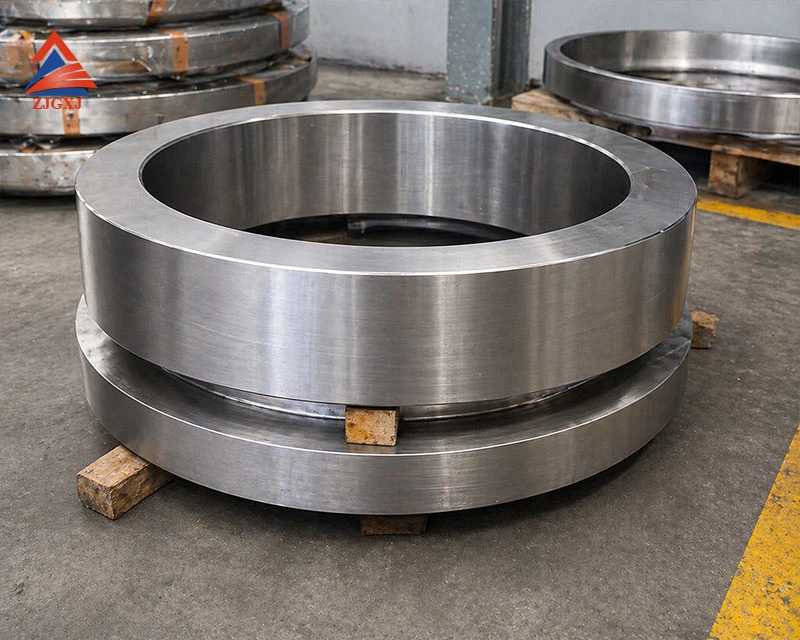
Forging is a manufacturing process that involves shaping metal through the application of compressive forces. This process is crucial in creating forged rings that can withstand the test of time. Unlike cast or machined components, forged rings are made from solid metal billets that are heated and then shaped using a forging press or hammer. This results in a dense, uniform grain structure that enhances the ring's mechanical properties.
The forging process aligns the metal's grain flow with the shape of the ring, providing superior strength and resistance to fatigue. This is particularly important in applications where the ring is subjected to high stress, such as in wind turbines, industrial machinery, and oil and gas equipment. The alignment of the grain flow helps to prevent cracks from forming and spreading, ensuring that the ring remains intact and functional for an extended period.
Material Selection: Choosing the Right Metal
The choice of material is another critical factor in determining how well a forged ring will hold up over time. Different metals have different properties, and selecting the appropriate material for the specific application is essential. Some of the most common materials used in forged rings include carbon steel, alloy steel, stainless steel, and nickel-based alloys.
Carbon steel is a popular choice for many applications due to its high strength, low cost, and good weldability. It is suitable for use in general industrial applications, such as gears, couplings, and flanges. Alloy steel, on the other hand, contains additional elements such as chromium, nickel, and molybdenum, which enhance its strength, hardness, and corrosion resistance. Alloy steel is often used in high-stress applications, such as wind turbine ring gears Wind Turbine Ring Gear and industrial forgings Industrial Forgings.
Stainless steel is known for its excellent corrosion resistance, making it ideal for use in environments where the ring will be exposed to moisture, chemicals, or other corrosive substances. It is commonly used in food processing, marine, and medical applications. Nickel-based alloys, such as Inconel and Monel, offer exceptional strength, heat resistance, and corrosion resistance. These alloys are often used in high-temperature and high-pressure applications, such as oil and gas forgings Oil and Gas Forgings.
Heat Treatment: Enhancing Performance
Heat treatment is a process that involves heating and cooling the forged ring to alter its mechanical properties. This process can improve the ring's strength, hardness, toughness, and ductility, making it more resistant to wear, fatigue, and corrosion. There are several types of heat treatment processes, including annealing, quenching, tempering, and normalizing.
Annealing is a process that involves heating the ring to a specific temperature and then slowly cooling it. This process relieves internal stresses, improves the ring's ductility, and makes it easier to machine. Quenching is a process that involves rapidly cooling the ring after it has been heated to a high temperature. This process hardens the ring and increases its strength. Tempering is a process that involves heating the quenched ring to a lower temperature and then cooling it slowly. This process reduces the ring's brittleness and improves its toughness. Normalizing is a process that involves heating the ring to a specific temperature and then cooling it in air. This process refines the ring's grain structure and improves its mechanical properties.
Surface Finish: Protecting Against Wear and Corrosion
The surface finish of a forged ring is also important in determining how well it will hold up over time. A smooth, uniform surface finish can reduce friction and wear, while a rough or uneven surface finish can increase the risk of corrosion and damage. There are several types of surface finishes that can be applied to forged rings, including machining, grinding, polishing, and coating.
Machining is a process that involves removing material from the surface of the ring using a cutting tool. This process can create a smooth, precise surface finish that is suitable for many applications. Grinding is a process that involves using an abrasive wheel to remove material from the surface of the ring. This process can create a very smooth surface finish that is ideal for applications where low friction and high precision are required. Polishing is a process that involves using a polishing compound to create a mirror-like surface finish on the ring. This process can improve the ring's appearance and reduce the risk of corrosion. Coating is a process that involves applying a protective layer to the surface of the ring. This layer can provide additional protection against wear, corrosion, and other forms of damage.
Real-World Applications: Proven Performance
Forged rings are used in a wide range of industries and applications, and their performance over time has been proven in real-world settings. In the wind energy industry, for example, forged rings are used in the gearboxes of wind turbines. These rings are subjected to high loads and stresses, and they must be able to withstand the harsh environmental conditions found in wind farms. Our forged rings have been used in numerous wind turbine projects around the world, and they have proven to be reliable and durable over the long term.
In the industrial machinery industry, forged rings are used in a variety of applications, such as gears, couplings, and flanges. These rings are essential for the smooth operation of industrial equipment, and they must be able to withstand the high loads and stresses associated with heavy machinery. Our forged rings have been used in many industrial applications, and they have consistently delivered excellent performance and reliability.
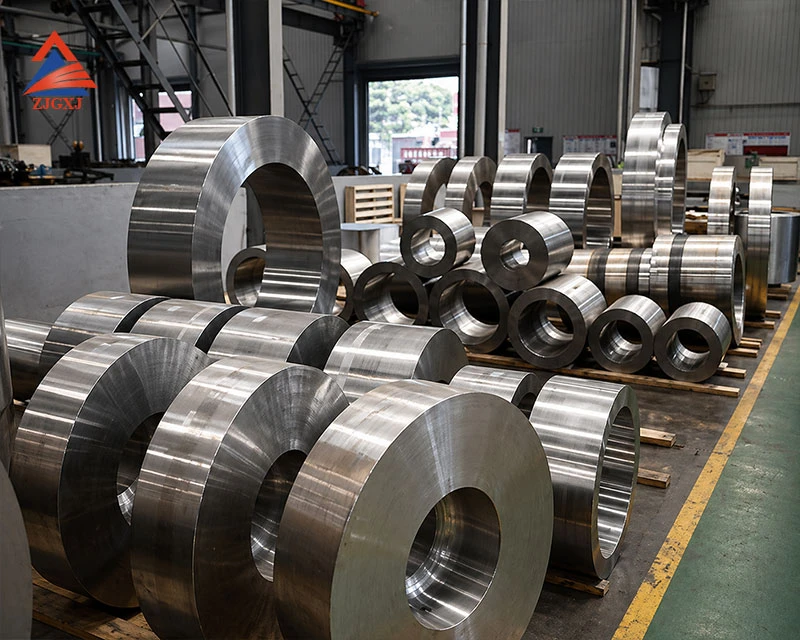
In the oil and gas industry, forged rings are used in a variety of applications, such as drilling equipment, pipelines, and valves. These rings are subjected to high pressures and temperatures, and they must be able to withstand the corrosive effects of oil and gas. Our forged rings have been used in many oil and gas projects around the world, and they have proven to be resistant to corrosion and wear.
Conclusion: A Reliable Choice for the Long Term
In conclusion, forged rings are a reliable and durable choice for a wide range of industries and applications. The forging process, material selection, heat treatment, and surface finish all play important roles in determining how well a forged ring will hold up over time. By choosing the right materials, using the appropriate heat treatment processes, and applying a high-quality surface finish, we can ensure that our forged rings provide long-lasting performance and reliability.
If you're in the market for forged rings, we invite you to contact us to discuss your specific requirements. Our team of experts can help you choose the right materials, design the optimal ring, and ensure that you receive a high-quality product that meets your needs. Whether you're looking for Wind Turbine Ring Gear, Industrial Forgings, Forged Rings, Industrial Ring Gear, or Oil and Gas Forgings, we have the expertise and experience to deliver the solutions you need.